



If you or a loved one has been ordered into alcohol monitoring after a DUI or other alcohol related arrest, it’s normal to feel overwhelmed. Alcohol monitoring in Hillsborough County usually means wearing a SCRAM ankle bracelet or, in some cases, a remote breath-testing device. Done right, this isn’t just a legal requirement. It can be the turning point that helps someone rebuild their life.
This is the story of one client we’ll call Anne.
How Court-Ordered Alcohol Monitoring Works
Alcohol monitoring gives courts a reliable way to check that someone stays alcohol-free. This applies to people released before trial, or serving probation. Devices are hard to tamper with, so the results can be trusted. Depending on the case, monitoring might include:
- Remote breath testing devices that require you to test on a set schedule or when circumstances require
- Transdermal (SCRAM) bracelets that test for the presence of alcohol every thirty minutes
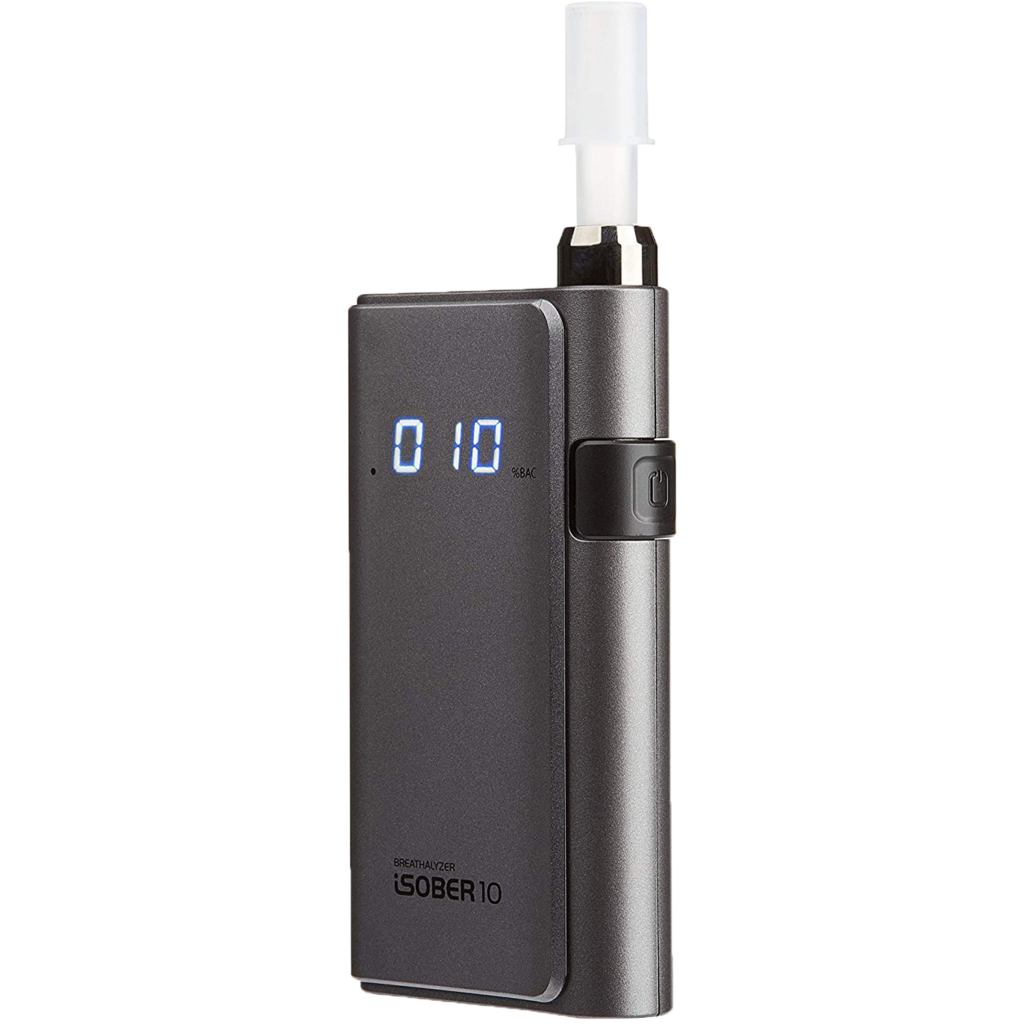
We walk clients through the equipment and explain which everyday products to avoid. Some hand sanitizers, mouthwashes, medications, near beer, and cooking ingredients can trigger a positive reading. We also connect clients with local counselors and treatment programs.
Who Orders Alcohol Monitoring?
In Hillsborough County, a judge usually orders alcohol monitoring at a person’s first court appearance or at sentencing. Attorneys often offer monitoring to seek release on bail. A monitor can be obtained without a court order when seeking an alternative to jail time for their clients.
Anne’s Story
It was early fall when I received a call from an attorney who wanted to arrange alcohol monitoring for a client. I’ll call her Anne.
Anne had been arrested for driving under the influence (DUI). At her first court appearance, the judge released her on her own recognizance and ordered alcohol monitoring. The judge also gave her attorney our phone number and strongly suggested that she contact us.
Anne was a federal employee who was approaching retirement. Her arrest came as a shock. She had registered nearly twice the legal alcohol limit.
The attorney asked me to be patient with her. Anne was worried she would somehow make a mistake, fail the monitoring process, and end up back in jail.
He also asked that I contact him first if I detected any alcohol use or problems with compliance. It was clear he feared she would struggle.
When Anne called to schedule her appointment, I could hear the anxiety in her voice. She was concerned about the technical side of monitoring and unsure whether she could stop drinking for an extended period.
During our conversation, I learned that her older sister would be driving her to our office. Her sister also happened to be comfortable with computers, which would help with the monitoring requirements.
When they arrived, her sister promised to help make sure all required downloads were completed on time. I reviewed the monitoring rules, explained which products to avoid, and provided information about local counselors and treatment programs in Hillsborough County.
I also encouraged Anne to attend Alcoholics Anonymous and suggested the traditional goal of 90 meetings in 90 days.
Before they left, I took Anne’s photo for our records, and both women signed the monitoring agreement. As we talked, I noticed Anne’s hands were shaking. When she saw that I had noticed, Anne quietly admitted that the tremors had started a few months earlier.
About a month later, her sister called and said Anne had lost weight and the ankle bracelet had become loose. She asked if I could tighten it.
When Anne came in, her sister proudly announced that she had lost ten pounds. As I adjusted the strap, I told Anne that she looked at least ten years younger.
She laughed and dismissed the comment, so I pulled out the photo I had taken during her first visit and compared it with a new one. The difference was remarkable. Her sister immediately agreed, and Anne couldn’t hide her smile.
Then I pointed out something else.
Her hands were completely steady.
A few months later, Anne successfully completed all of the court’s requirements. As a result, the judge reduced her charge.
Five years later, I received a card from her sister. Anne had not only kept her job but had earned two promotions. She had retired earlier that week.
Even more importantly, she had continued attending meetings and had become a sponsor, helping others who were beginning their own recovery journeys.
Not every story ends this way. Some people struggle, relapse, and face difficult setbacks. But many find their way back to treatment, return to meetings, and continue the daily work of recovery.
The Role of Family Support in Alcohol Monitoring Compliance
Anne’s story shows something we see often. Heavy drinking often causes isolation and depression and a feeling of shame. Maintaining sobriety is rarely something a person does alone. Friends and family members help by showing love, offering to track testing schedules, assisting with technology, driving defendants to all appointments, and giving them the emotional support they often desperately need.
Resources: AA Meetings & Treatment in Hillsborough County
Alongside monitoring, clients are offered:
- Local Alcoholics Anonymous meeting schedules, and are encouraged to attend “90 meetings in 90 days,” which many have found helpful in their recovery
- Both inpatient and outpatient treatment programs
- A list of counselors who work with DUI and alcohol use disorder issues
Alcohol Use Disorder Is a Disease, Not a Moral Failing
Alcohol use disorder is a disease. It’s not a moral failing. When people get treatment, support, and accountability, their lives can change. Recovery doesn’t just help the person. It strengthens families, cuts the need for costly incarceration, and makes our communities safer.
Frequently Asked Questions
How long does alcohol monitoring last? The presiding judge sets the conditions based on the facts and severity of the case. The length of monitoring depends on the defendant’s progress hearing and can be affected by how busy the judge’s calendar is.
What happens if I fail an alcohol test while on monitoring? Violations are reported immediately to the court and your attorney.
Does successful alcohol monitoring compliance affect DUI case outcomes? Judges often view steady, documented compliance in a positive light, especially if you are in the Rider DUI diversion program.
What should I avoid while on alcohol monitoring? Many products can trigger a false positive on transdermal devices. We give you a full list when you enroll.
Get Started with Alcohol Monitoring in Hillsborough County
If you or a client have been ordered into alcohol monitoring, our team can walk you through enrollment, equipment, and local treatment resources.